

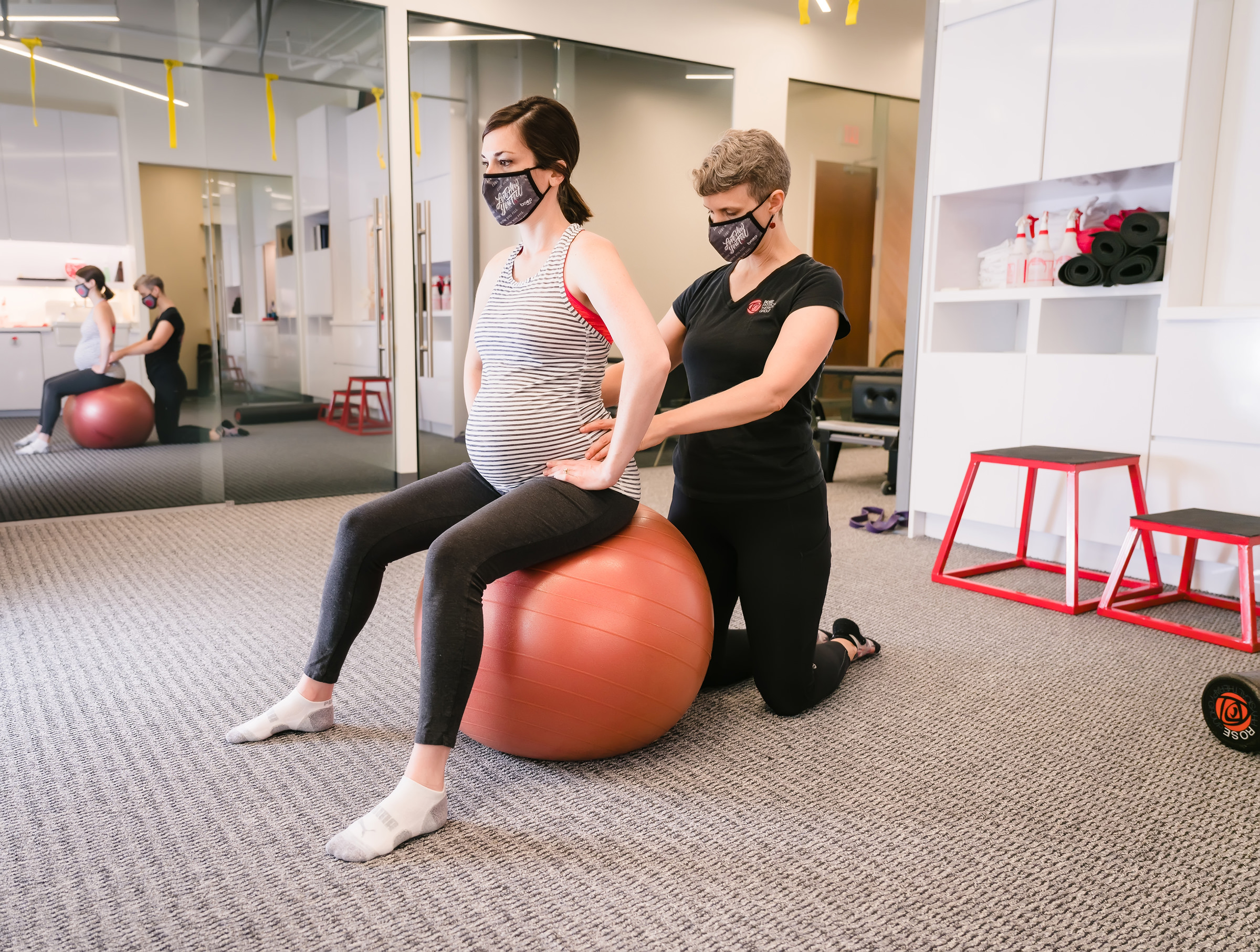
Signs and symptoms to see a pelvic floor physical therapist
The pelvic floor is the group of muscles lining the pelvis and they support your organs, control bowel and bladder and provide sexual function for women and men. Like all other muscles in the body, the pelvic floor can lose motor control, become weak or tight resulting in a variety of issues.
Women’s health or pelvic floor physical therapy involves the evaluation and treatment of the pelvic floor. The evaluation of the pelvic floor involves taking a history and both an external and internal examination. The internal exam may or may not occur within the first visit. The main things that we are assessing during an internal portion of the exam are the overall health, muscle trigger points, strength, coordination and prolapse.
Something I hear quite frequently from our physical therapy clients is that they didn’t realize this part of the body could be treated, or that what they were experiencing was “normal”. Just because something is “common” does not make it “normal” and for most issues of the pelvic floor there is help.
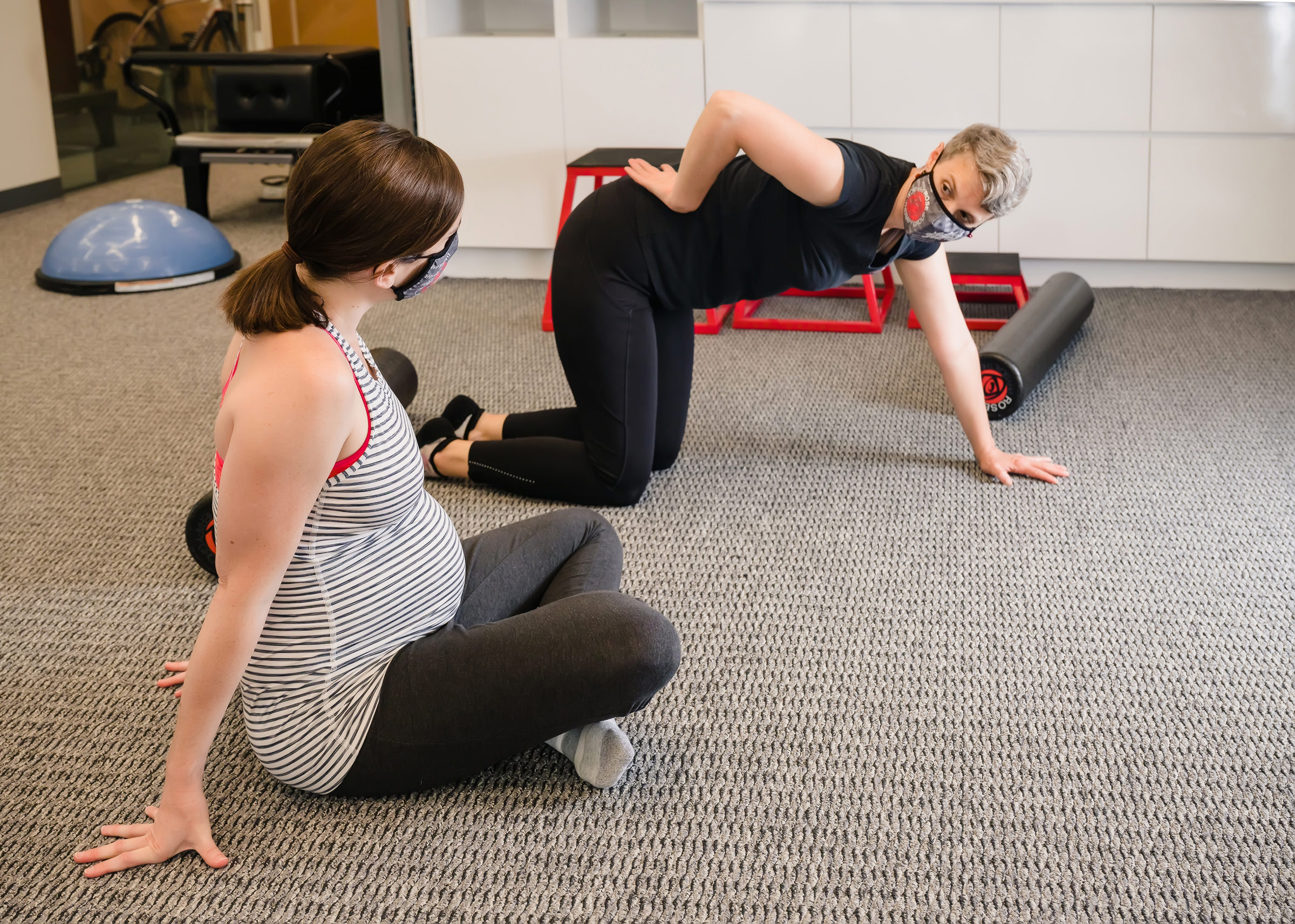
When is it time to see a pelvic floor physical therapist:
- Urinary Leakage or incontinence
- Small or large leakage of urine often occurs with exertion such as getting up from sitting, jumping, coughing, sneezing, running, lifting weights
- Frequent urination or nocturia
- Constantly needing to use the restroom, always using the bathroom before leaving the house, before meetings or long care rides
- Getting up during the night to use the bathroom
- Feelings of incomplete emptying
- Having just gone to the bathroom and still feeling the urge to pee
- Pelvic pain including vaginismus or dyspareunia
- Constant or intermittent pain in the pelvic region, pubic bone, pain with penetration, tampon insertion or gynecological examinations
- Feeling of heaviness or bottoming out sensations
- Feeling as if something is falling out of your pelvis with or without activity
- Unresolved hip or low back pain
- Hip or low back pain which has been treated unsuccessfully in physical therapy may have pelvic floor involvement
- Post-partum after childbirth
- Diastasis recti, C-section scar, pelvic floor scarring following tears during labor or episiotomy
- Testicular pain and pain with ejaculation
Pelvic floor physical therapy includes strengthening, manual therapy (both internally and externally), muscle re-education and coordination training, education of specific pelvic floor disorders, dietary changes, home exercise programs.
Rose Physical Therapy is here to help!
In Washington, DC, Rose Physical Therapy offers specialists in pelvic floor health and physical therapy treatments. If you are experiencing pelvic floor pain or have any questions, give us a call or email to schedule an appointment.